
“Biological Armor” Against the Red Spider Mite Threat: The Mechanical Effect of DOZATEK Cu and Copper

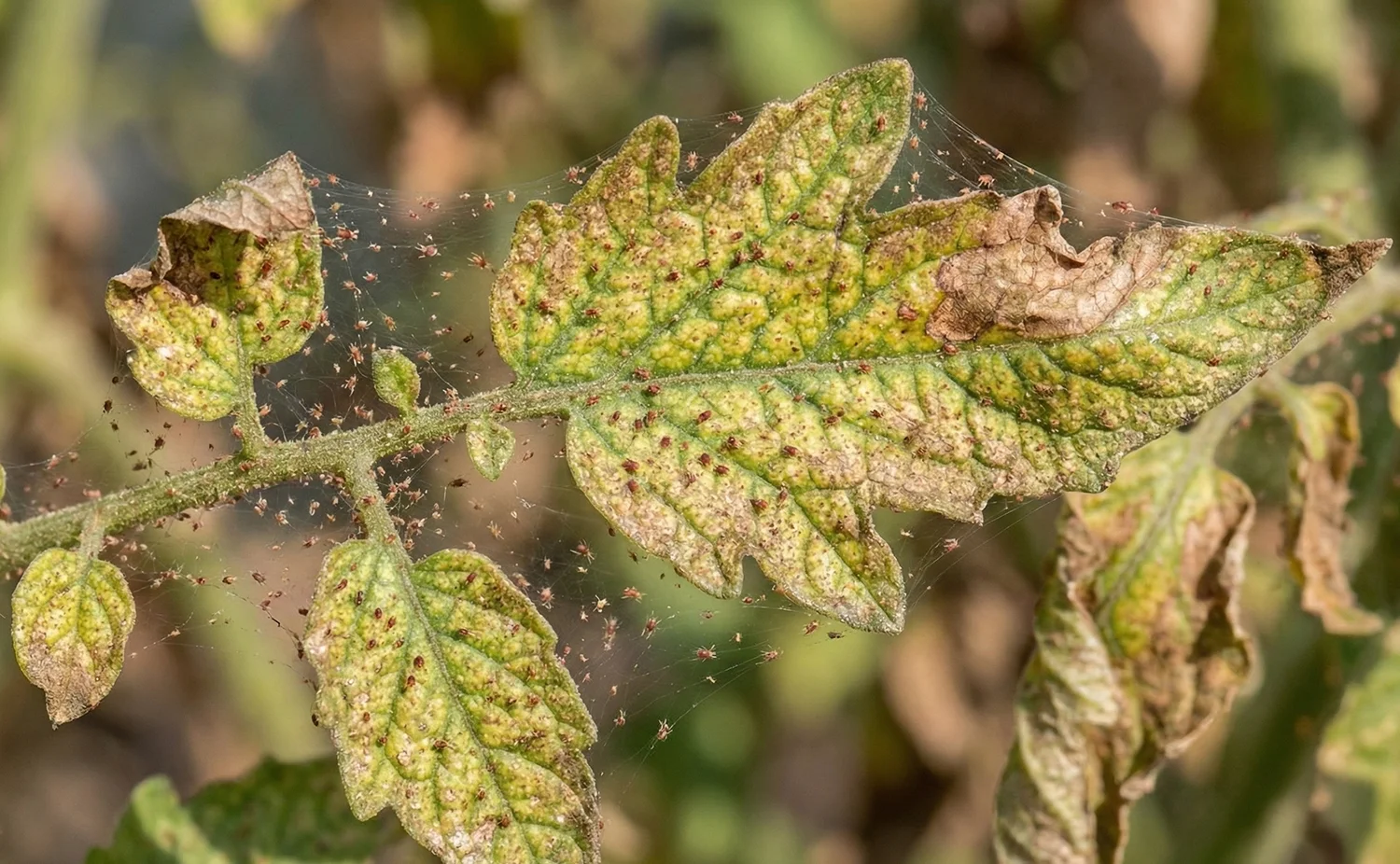
In agricultural production, especially in hazelnut, citrus, and vegetable cultivation, the producer's nightmare is the Red Spider Mites (Tetranychidae). These microscopic pests suck the plant sap from the leaves, stopping photosynthesis and causing the leaves to bronze and drop prematurely. The use of traditional acaricides (pesticides) is losing its effectiveness day by day due to the pests gaining resistance.
Modern agriculture science recommends the **“Plant Resistance Induction”** method (Plant Resistance Induction) at this point. It is exactly at this stage that DOZATEK Cu and liquid fertilizer technology come into play, dressing the plant in an “invisible armor.”
1. Copper and the “Rubber Plant” Effect
The special Copper (Cu) formulation contained in DOZATEK Cu is not just a nutrient source in plant physiology, but a defense mechanism activator.
Cell Wall Hardening (Lignification): Academic studies have proven that copper is a cofactor for the Polyphenol Oxidase and Peroxidase enzymes that govern Lignin synthesis in plants. In plants treated with DOZATEK Cu, cell walls thicken and harden.
Mechanical Barrier: This situation, defined as the “Rubber Plant Effect” in your brochures, makes the cuticle layer on the leaf surface durable. Red spider mites struggle to penetrate their teeth (stylets) into the hardened and rubbery-consistency leaf tissue. The pest population that cannot feed is naturally suppressed without the need for pesticide application.
2. Why Liquid Fertilizer and DOZATEK?
Red spider mite damage usually increases during hot periods when the plant is under water stress. The dissolution of granular fertilizers is difficult during this period.
Rapid Uptake: Liquid formulations like DOZATEK pass through the leaf stomata (pores) within seconds and are incorporated into the plant system. They quickly relieve the plant from stress and increase its resistance.
Organic Structure and pH Balance: DOZATEK contains not only copper but also carrier organic agents and pH regulators that the plant needs. In this way, copper is transported to the farthest leaves without burning the plant (without causing phytotoxicity).
3. Broad-Spectrum Pest Management: The “DOZATEK” Shield Against the Red Spider Mite Threat
The common enemy of almost every product group, from Hazelnut to Citrus, Vegetables to Ornamental Plants, in agricultural production is the Red Spider Mites (Tetranychidae). These microscopic pests suck the cell sap from the plant leaves, break down the chlorophyll, stop photosynthesis, and cause the leaves to bronze and drop prematurely.
The use of DOZATEK and DOZATEK Cu works with the **“Plant Resistance Induction”** (Plant Resistance Induction) strategy in combating this pest.
Academic literature has proven that there is an inverse relationship between the hardness of plant tissues and sucking insect damage. The special formulation and copper (Cu) contained in DOZATEK trigger the following biochemical processes in plant physiology:
-
Lignification Process: Copper activates the Polyphenol Oxidase enzyme responsible for the synthesis of Lignin, the building block of plant cell walls. In plants treated with DOZATEK, cell walls thicken.
-
Mechanical Barrier (Rubbery Structure): This situation, defined as the “Rubber Plant Effect” in the product brochures, hardens the cuticle layer on the leaf surface and imparts elasticity.
-
Conclusion: Red spider mites struggle to penetrate their teeth (stylets) into the hardened and rubber-consistency leaf tissue. The pest population, unable to feed and find suitable tissue for egg-laying, is naturally suppressed without the need for chemical pesticides. This effect is valid not only for hazelnut but also for citrus and vegetables, which have a sensitive leaf structure.
Red spider mite damage usually peaks during hot and dry periods when the plant is under water stress. During this period, plant roots are sluggish, and the uptake of granular fertilizer stops.
-
Rapid Uptake: Since DOZATEK is in liquid form, it passes rapidly through the leaf stomata (pores) of the stressed plant without expending energy.
-
Systemic Transport: Thanks to the organic complexing agents in its content, copper and other elements are rapidly transported within the plant. In this way, even the leaf at the farthest shoot of the tree hardens and is taken under protection.
Conclusion
Applications with DOZATEK Cu not only nourish your plants but also give them a structure of “unpalatable” hardness against Red Spider Mites and other pests. This technology, which reduces chemical control, increases yield, and protects plant health, is the key to sustainable agriculture.
References:
- War, A. R., et al. (2012). “Mechanisms of plant defense against insect herbivores.” Plant Signaling & Behavior. (Induced resistance mechanisms in plants).
Yruela, I. (2009). “Copper in plants.” Brazilian Journal of Plant Physiology. (The role of copper in lignin synthesis).
Agut, B., et al. (2018). “Role of copper in plant defense against pathogens and pests.” (Barrier effect of copper against pests).
Michigan State University Extension. “Pros and cons of granular and liquid fertilizers.” (Liquid fertilizer absorption advantages).
Other Articles


