
Biotic Stress Management and Plant Resistance Induction in Tomato Cultivation: Phytopathological Review of DOZATEK Technology
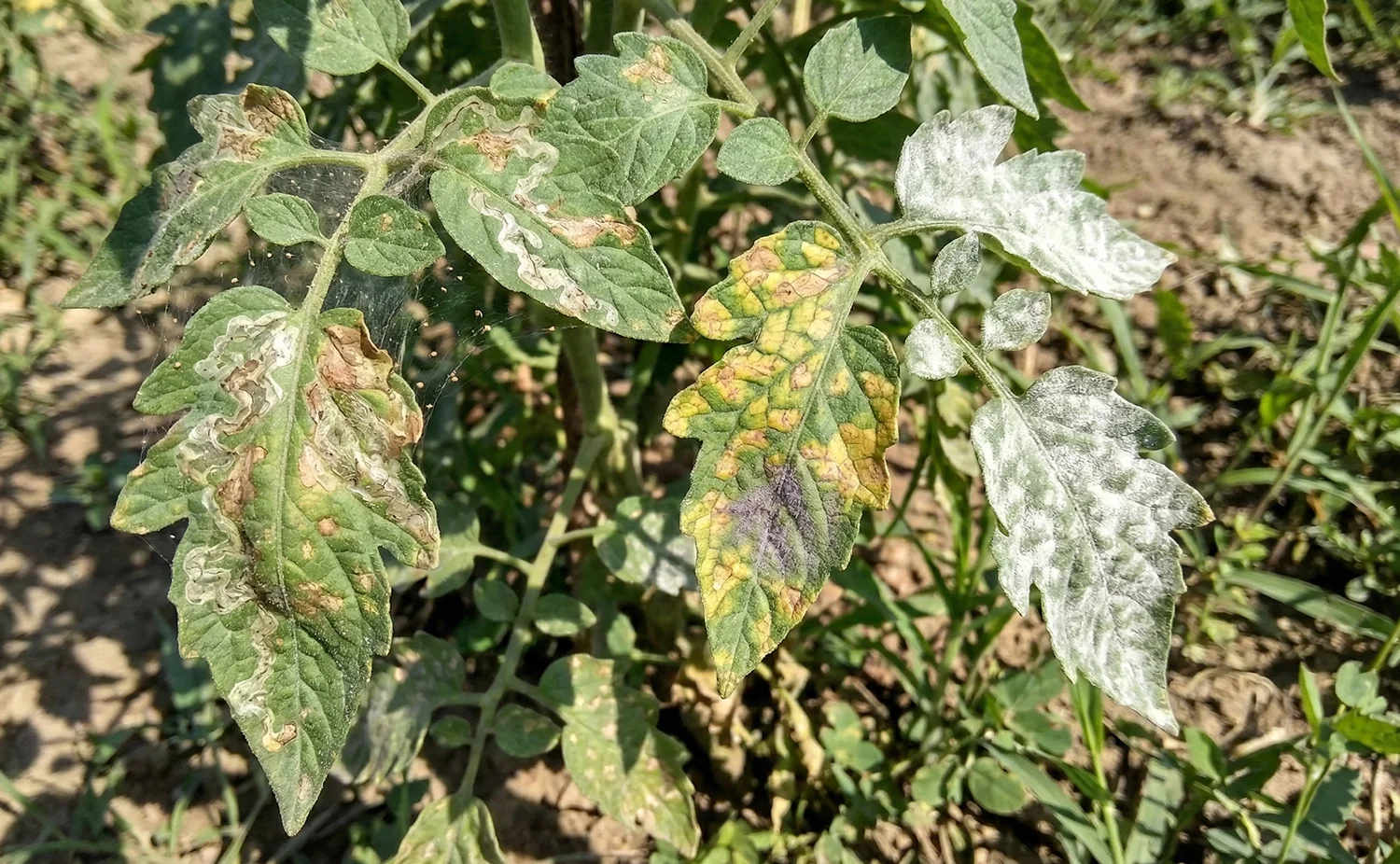
Turkey ranks among the top in the world with an annual tomato production of approximately 13 million tons; and exports a significant portion of this production. However, the intensive production model brings along serious “biotic stress” factors. In particular, Downy Mildew (Phytophthora infestans), Powdery Mildew (Leveillula taurica), and Tuta absoluta (Tomato Leaf Miner) are the main threats where yield losses can reach 80-100%.
Residue issues caused by traditional pesticide use and the development of resistance in pests have steered modern agriculture towards “Plant Resistance Induction” (PRI) strategies. In this article, we will examine the biochemical and mechanical defense mechanisms that the liquid copper and special formulation technology contained in DOZATEK generate against these threats.
1. The “Mechanical Barrier” Hypothesis in Combating Tuta absoluta
Tuta absoluta is a pest characterized by its larvae piercing the leaf epidermis and creating galleries in the mesophyll layer. Academic studies reveal an inverse correlation between leaf cuticle thickness and cell wall hardness and larval penetration (entry).
The Role of DOZATEK Cu: Lignification and “Rubber Effect”
DOZATEK CU, with its systemic copper (Cu) and special activators, triggers the Lignification process (wood formation) in plant physiology.
Scientific Basis: Copper is a cofactor for the Polyphenol Oxidase (PPO) and Peroxidase enzymes involved in lignin biosynthesis.
Mechanism of Action: Regular DOZATEK application increases lignin accumulation in the leaf cell walls. This situation, defined as the “Rubber Plant Effect,” in brochures, hardens the leaf surface. The hardened tissue physically makes it difficult for Tuta larvae to pierce the leaf and open galleries. The survival rate of larvae that cannot feed decreases.

2. Fungal Diseases: Downy Mildew and Powdery Mildew Management
In humid greenhouse conditions, Phytophthora infestans (Downy Mildew) and during hot-dry transitions, Leveillula taurica (Powdery Mildew) destroy the tomato leaf blade, stopping photosynthesis.
Fungistatic Effect and Systemic Acquired Resistance (SAR)
DOZATEK’s liquid formulation has higher bioavailability compared to granular copper products.
Effect on Downy Mildew: Copper ions (Cu++) are one of the most effective inorganic agents in preventing the germination of fungal spores. DOZATEK prevents the spread of infection by stopping spore tube development.
Effect on Powdery Mildew: Powdery mildew forms a mycelial layer on the leaf surface. The cuticle structure, strengthened by DOZATEK, prevents fungal hyphae (roots) from penetrating the plant tissue. Furthermore, copper, which spreads systemically within the plant, activates the SAR (Systemic Acquired Resistance) pathway, which is the plant's natural defense mechanism.
3. Nutrition Physiology and Yield Relationship
For a healthy plant defense system, not only protection but also proper nutrition is essential. One of the biggest problems encountered in tomato production in Turkey is the plant experiencing “exhaustion” during the fruit sizing period, meaning it gives all its energy to the fruit and is left vulnerable.
Premium Quality and Tonnage: DOZATEK maximizes the plant's nutrient uptake with its trace elements and pH regulating (Regulator) property. This feeding regime, which increases the photosynthesis rate, boosts the fruit's internal filling and brix (sugar) ratio.
Visual Evidence: The “Dark Green Leaf” color observed in the treated greenhouses is the clearest indicator of chlorophyll density and, consequently, high photosynthesis capacity.
Conclusion and Recommendations
Combating Tuta, Downy Mildew, and Powdery Mildew in tomato cultivation must cease to be a process solely dependent on the spraying pump. Activating the plant's own defense mechanism (Lignification and SAR) is the key to sustainable agriculture.
In the light of academic data and field results, DOZATEK;
Mechanical Resistance: By hardening the cell wall against Tuta larvae,
Fungistatic Effect: By inhibiting the germination of fungal spores,
Physiological Support: By protecting the plant from stress and nourishing it,
It is an indispensable part of Integrated Pest Management (IPM). For producers aiming to reduce chemical residue risks and achieve export-quality produce, DOZATEK is more than a fertilizer; it is a “Biological Firewall”.
References:
T.C. Tarım ve Orman Bakanlığı, TEPGE, 2022 Domates Ürün Raporu.
Yruela, I. (2009). Copper in plants: biochemical and physiological functions.
Vance, C. P., et al. (1980). Lignification as a mechanism of disease resistance. Annual Review of Phytopathology.
Other Articles


